
Key Differences Between IP67 and IP69K: Choosing Components That Withstand Steam Cleaning in the Field
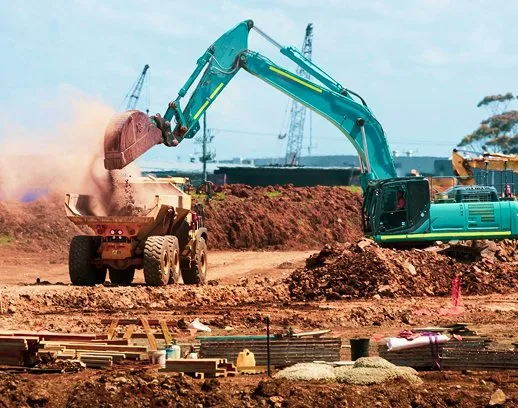
How high-pressure hot-water washdown on construction and agricultural machinery affects switch and sensor life, and how to choose the right sealing rating.
IP67 and IP69K are the two protection ratings most frequently found in the datasheets of switches, pushbuttons and sensors used in field equipment. Both provide "complete protection against dust"; however, their behavior against water is based on entirely different test conditions. Choosing the wrong rating is one of the most common causes of premature failure, particularly in machines that are regularly washed down with pressurized hot water.
What does the IP code tell you?
In the IP (Ingress Protection) code defined in IEC 60529, the first digit indicates protection against solid objects and the second digit indicates protection against liquids. In IP67, the "6" denotes dust-tightness and the "7" denotes temporary immersion in water. IP69K, defined under ISO 20653 (formerly DIN 40050-9), specifies protection against high-pressure, high-temperature water jets.
| Feature | IP67 | IP69K |
|---|---|---|
| Test type | Immersion in water | Pressurized water jet |
| Condition | 1 m depth, 30 minutes | 80–100 bar, 80 °C water |
| Spray distance | — | 100–150 mm, 0° / 30° / 60° / 90° |
| Typical use | Rain, flooding, temporary submersion | Steam cleaning, hygienic washdown |
Why is IP67 alone not enough?
The IP67 test simulates a low-pressure, static water environment. In construction and agricultural equipment, however, washdown means a hot, pressurized jet striking the seal directly. Under these conditions:
- Temperature changes cause the seal material to expand and contract, creating micro-gaps.
- A pressurized jet can mechanically open seal lips that are never stressed during an immersion test.
- Detergents and chemical additives shorten the service life of standard elastomers.
Rule of thumb: If the equipment is regularly exposed to pressure washing, choose IP69K; if only rain and temporary submersion are a concern, IP67 is sufficient. For the most robust solution, components carrying both ratings (IP67 + IP69K) should be preferred.
Key considerations when selecting components
A protection rating applies only to the component itself; in panel mounting, the correct gasket, tightening torque and cable entries must also provide the same rating. For products offering front-panel sealing, mounting hole tolerances must comply with the datasheet, and rear-side connectors must have at least an equivalent protection rating.
At Atakel Elektronik, we offer application-specific selection support for IP67 / IP69K certified switches, joysticks and signaling products from the manufacturers we represent.